July 31, 2026
Jeeps are widely celebrated for their incredible ruggedness, off-road capabilities, and enduring spirit of adventure. Whether navigating rocky mountain trails, traversing muddy paths, or simply commuting through challenging weather conditions, these vehicles are built to handle a variety of environments with ease. However, despite robust engineering, no vehicle is entirely immune to the natural wear and tear that comes with regular use. Understanding typical maintenance needs helps owners take better care of their vehicles and stay prepared for potential mechanical issues down the road. This comprehensive guide will explore the specific problems owners frequently encounter and provide insights into effective solutions. Knowing what to expect not only helps in reducing the likelihood of unexpected breakdowns but also minimizes the stress of sudden automotive emergencies. Staying informed about standard Jeep repairs promotes a seamless, enjoyable driving experience while enhancing the overall lifespan and reliability of the vehicle. When you stay ahead of the curve, you ensure adventures never have to be put on hold.
Understanding Common Suspension Issues
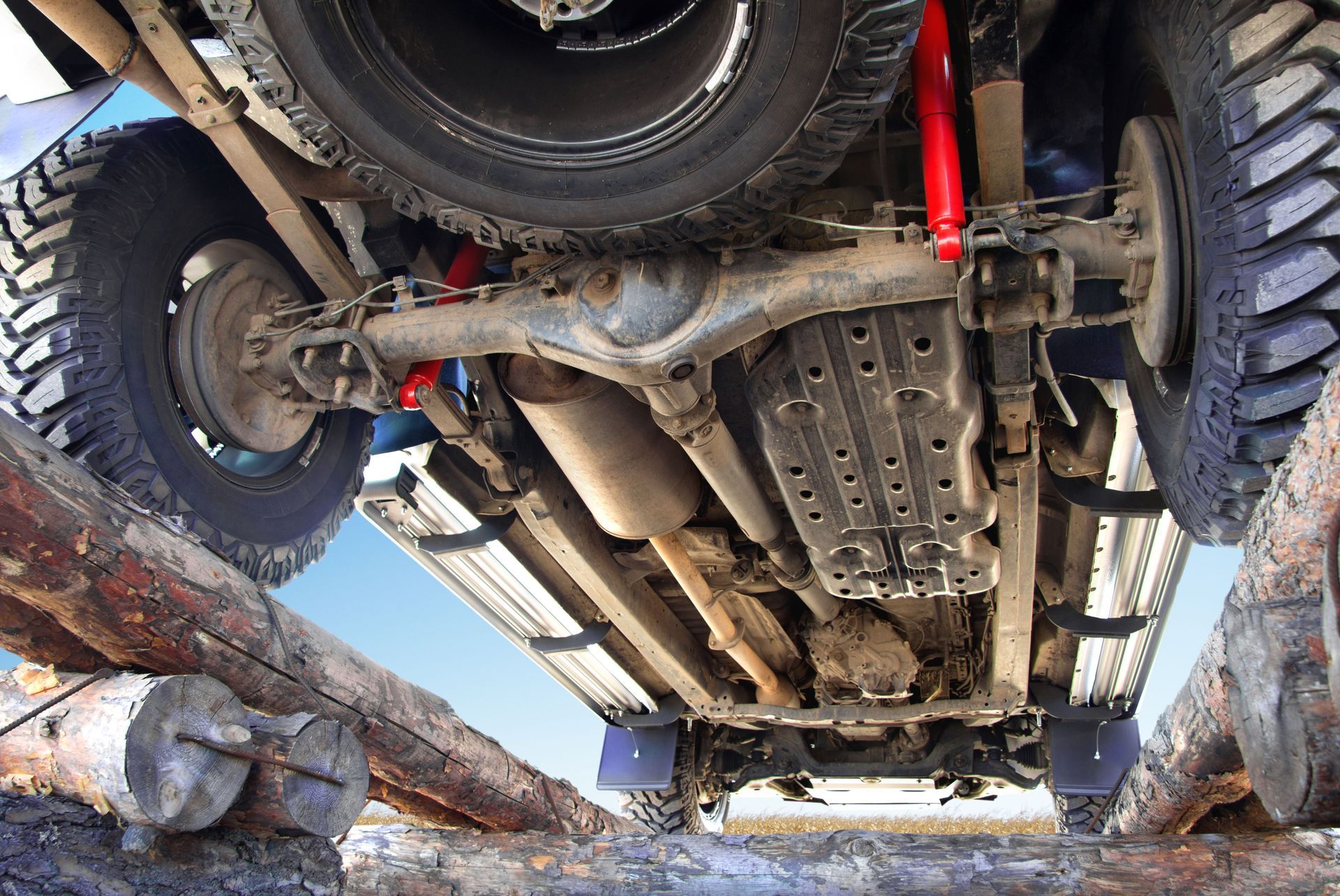
It is no secret that suspension issues can profoundly affect the overall driving experience and comfort level of your vehicle. Often manifesting as uneven tire wear or a particularly bumpy, uncomfortable ride, these underlying issues can initially be subtle yet highly impactful. Owners might begin to notice unusual noises, persistent squeaks, or strong vibrations, particularly when driving off-road or navigating uneven terrain. Recognizing these early warning symptoms is crucial to avoiding further, more extensive damage to the undercarriage and steering mechanisms. Addressing suspension problems promptly will preserve the handling, stability, and comfort of the ride, ensuring a smooth journey. Among the most frequent Jeep repairs in this category are the replacement of worn shock absorbers and damaged leaf springs. These vital components play a critical role in maintaining vehicle stability and absorbing the sudden impacts of rough roads. Continuous wear and tear can lead to decreased performance or failure of these parts. Regular inspection and timely replacement ensure optimal suspension functionality.
Addressing Brake System Wear
The braking system is undeniably one of the most critical safety features of any vehicle, and early detection of potential problems can prevent dangerous situations. Common symptoms of brake issues include loud squeaking, harsh grinding noises, and a soft or spongy feeling when pressing the brake pedal. Having a highly reliable braking system is vital, especially when navigating through rough terrain or driving in heavy traffic. Regular visual inspections and professional evaluations can identify standard wear and tear early on, ensuring timely interventions before the situation becomes hazardous. Staying alert to these common symptoms protects the vehicle, its occupants, and other motorists sharing the road. Standard Jeep repairs for the braking system range from simple brake pad replacements to more involved rotor resurfacing or caliper replacements. The lifespan of brake pads varies significantly, largely dependent on individual driving habits and environmental conditions. Rotors may need thorough resurfacing or complete replacement if they become warped over time. Evaluating each component's condition helps mechanics decide the safest course of action.
Managing Engine and Transmission Problems
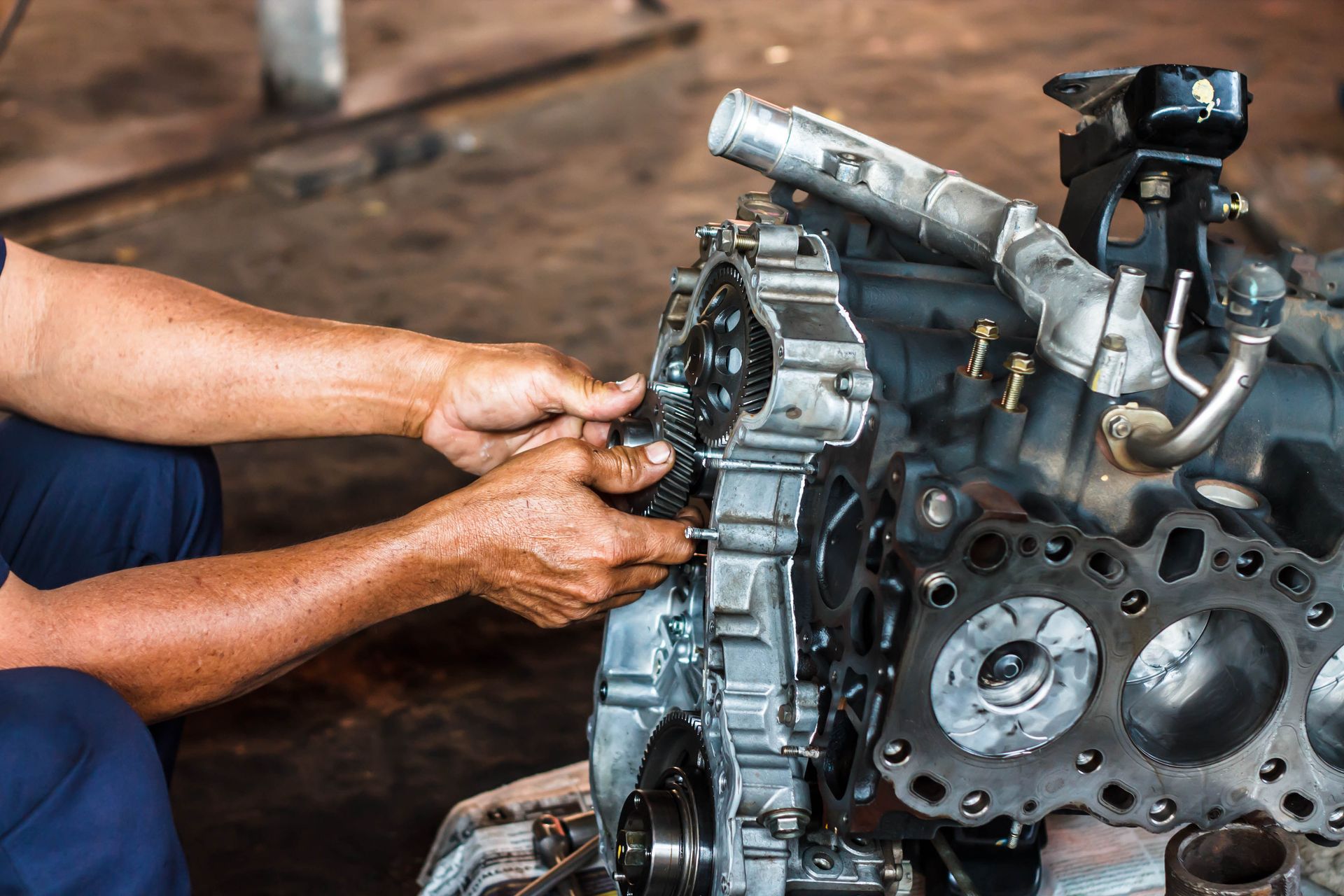
The engine is considered the beating heart of any automobile, and keeping it running smoothly is paramount for optimal performance. Common engine problems often include persistent oil leaks, worn timing belts, and frustrating sensor failures that can disrupt the vehicle's computer system. Symptoms typically manifest as unusual knocking noises, noticeably decreased fuel efficiency, or illuminated warning lights on the dashboard. Proactive maintenance and regular oil changes are absolutely critical in avoiding severe engine problems that could leave you stranded. By keeping a vigilant eye out for these warning signs, owners can address minor issues before they escalate. Transmission problems can also be daunting, covering issues such as slipping gears, delayed shifting responses, or transmission fluid leaks. Diagnosing these complex mechanical problems early on saves time and frustration. When tackling these specific Jeep repairs, solutions range from fluid flushes to internal fixes. According to Gitnux, Labor costs account for 50% of shop expenses. Regular servicing and attentively listening for operational irregularities offer the best defense against failures.
Resolving Electrical System Failures
Electrical issues can be complex and negatively impact various essential functions of the vehicle, from starting the engine to powering interior accessories. Noticeable signs of electrical problems may include rapidly flickering headlights, a consistently dead battery, or malfunctioning dashboard instruments and interior climate controls. Diagnosing these intricate issues usually involves a methodical approach that includes checking wire connections, inspecting fuses, and testing overall battery health. Understanding how a modern vehicle's electrical system functions equips owners to recognize and address these frustrating problems efficiently. The battery and alternator are integral to the system, providing necessary starting power and continuous charging capability. A failing battery or a severely malfunctioning alternator can quickly lead to startup problems and negatively affect other vital components under the hood. Regular testing and proactive maintenance of these parts can successfully preempt such issues. Repairing faulty wiring is another common aspect of these necessary Jeep repairs, preventing minor inconveniences from turning into operational hazards. Investing in preventive electrical maintenance ultimately pays significant dividends in reliability.
Handling Cooling System Challenges
Cooling system failures most frequently manifest as severe engine overheating, which can quickly lead to significant, irreversible engine damage if left unresolved. Warning symptoms often include rapidly rising temperature gauges, visible coolant leaks pooling underneath the vehicle, or thick steam billowing directly from the engine bay. Early detection through highly attentive monitoring of dashboard temperature gauges can prevent extensive internal engine damage. Systematic checking of vital components like rubber hoses, aluminum radiators, and engine thermostats is a crucial part of routine vehicle care. Proactive maintenance of the entire cooling system ensures the engine continuously operates under optimal, safe temperature conditions regardless of the weather. Radiators are absolutely essential for efficiently dissipating the intense heat generated by the combustion engine. Issues such as fluid leaks, internal rust corrosion, or physical exterior damage will necessitate prompt repair or a full replacement. Undertaking these cooling-related Jeep repairs swiftly will ensure your vehicle remains reliable and safe for long journeys. Keeping fluid levels topped up saves owners from immense stress.
Mitigating Off-Road Wear and Tear
Off-roading is undoubtedly one of the greatest appeals of owning a rugged, trail-ready vehicle designed for thrilling outdoor adventures. However, traversing challenging landscapes can inevitably lead to increased wear on various mechanical parts, from the complex suspension geometry to vulnerable undercarriage components. Challenging environmental conditions can rapidly accelerate the degradation of essential mechanical systems, demanding highly vigilant and frequent maintenance routines. Keeping close track of component performance immediately following a strenuous off-road adventure is pivotal in maintaining long-term vehicle longevity. By understanding the harsh effects of off-roading, owners can implement preemptive, protective measures to safeguard their vehicles from severe trail damage. The intense pressures of off-road driving frequently result in the need for specialized
Jeep repairs, particularly concerning suspension wear and tire damage caused by uneven surfaces and rocks. Inspecting for bent, scraped, or broken components and thoroughly checking overall tire condition is imperative after returning from the trail. Repairing any newly identified damage immediately can prevent further mechanical complications.
Understanding frequent mechanical challenges significantly enhances the long-term longevity, safety, and performance of your vehicle. By being highly proactive in routine maintenance and swiftly addressing necessary mechanical interventions, owners can continue to enjoy the legendary reliability and thrilling adventure these vehicles bring to everyday life. Regular visual checks, fluid replacements, and a strong awareness of potential issues are key to overcoming any mechanical challenges the open road or rugged trail poses. By investing in high-quality maintenance practices and fully understanding your specific repair needs, you effectively minimize unexpected, stressful financial expenses. Keeping up with standard maintenance ensures your vehicle remains in absolute peak condition, ready to tackle both daily commutes and weekend excursions with total confidence. In doing so, you uphold the rugged, adventurous spirit these incredible machines are widely renowned for. Caring for your vehicle means it will care for you when you need it most. If you are experiencing any mechanical issues, call Heritage Auto Repair today to learn more.